
Woodwork Painting & Treatmentsin Teddington
Refresh doors, skirting and other residential timber details with finishes chosen for their condition, use and intended appearance.
Almost 10 years
In the trade
£1m Insured
Public liability cover
Written Guarantee
Ask Liam for the terms
Owner-Led
Managed by Liam
Free Quotes
No obligation
The service
A practical approach to woodwork painting & treatments
Woodwork frames the rest of a decorated room. Scuffed skirting, chipped door edges and uneven frames can remain noticeable even after the walls have been refreshed. Coopers Interiors provides residential woodwork painting and suitable decorative treatments from Teddington TW11, with Liam Cooper running each job and assessing the existing surface before recommending an approach.
Not every timber surface needs the same treatment. Previously painted trim, bare softwood and a stained door each present different questions about adhesion, appearance and preparation. A clear specification identifies what will be cleaned, sanded, filled or primed and whether the proposed result is an opaque painted finish or a compatible treatment that retains visible grain.
The aim is to improve the appearance of sound woodwork without making promises that paint cannot fulfil. Open joints, damaged edges and possible decay need proper assessment; thick new coats are not a substitute for repairs. Discussing these details at the start helps you decide what to retain, what to repair and which surfaces should be included in the quotation.
You deal with Coopers Interiors, based in Teddington TW11, with Liam Cooper overseeing the work rather than passing the job to an unnamed project lead. As of October 2026, Liam had almost 10 years in the trade and Coopers Interiors had been established for nearly 3 years. The business has a Verified Checkatrade profile and £1m public liability insurance. Work is residential only, and bigger jobs may involve extra tradesmen brought in by Liam.
Why it matters
What needs attention before work begins
A useful result starts with identifying the cause of visible defects, setting realistic expectations and agreeing the preparation. These are the issues worth discussing before a colour or finish becomes the only focus.
Grease beneath a new finish
Doors and handrails collect skin oils, while kitchen-adjacent trim may carry cooking residue. Sanding alone does not necessarily remove that contamination. Cleaning and an appropriate preparation sequence help the next coating adhere, rather than leaving a finish that looks fresh but is vulnerable around the areas touched most often.
Chips hidden rather than repaired
Painting over chipped edges often leaves the outline visible and can exaggerate it with a shinier finish. Loose material needs removal and suitable repairs need shaping and sanding. The level of preparation should reflect the existing damage and the agreed appearance, particularly on doors seen in strong natural light.
Incompatible old coatings
An old varnish or glossy paint may not accept a new coating reliably without preparation or a suitable primer. Identifying the existing finish is part of choosing the next system. Skipping that stage can lead to poor bonding even if the new paint initially covers the colour beneath it.
Moving parts painted shut
Doors, windows and their fittings need clearance to function. Careless paint build-up at edges, stops or hardware can interfere with movement and make contact marks more likely. Discuss operational issues before work starts so existing sticking or damaged fittings are not confused with what decoration can reasonably resolve.
Bare timber treated as uniform
Knots, grain and local repairs can affect the final appearance and the way coatings behave. An opaque painted finish and a translucent treatment will show those details differently. Consider the timber itself before choosing a look, especially where old filler or contrasting sections could remain visible beneath a clear or tinted finish.
Our process
How Liam runs your job.
- 01
1. Explain the project
Tell Liam what you want to change, which parts of your home are involved and whether the property will be occupied during the work. Photographs can help start the conversation, but they do not replace assessment where condition or access is uncertain. Mention any previous failures, leaks or repairs so the discussion covers the cause as well as the appearance.
- 02
2. Assess surfaces and access
The assessment considers timber condition, existing coatings, moving parts, fittings and the desired painted or visible-grain finish. This is the point to identify unsuitable surfaces, practical constraints and anything that needs separate investigation. Agree what is included, what is excluded and how additional issues would be handled if preparation reveals more damage than was visible initially. Decisions about access and protection should reflect how your household actually uses the space.
- 03
3. Agree the quote and specification
Receive a free no-obligation quote based on the agreed work rather than a generic fixed price. Discuss preparation, materials, finish choices and any relevant repair allowances before committing. Confirm the proposed sequence and ask about the written workmanship guarantee; ask Liam for the terms. Clear inclusions make it easier to compare like-for-like proposals and avoid relying on assumptions about what decoration includes.
- 04
4. Prepare and complete the work
Liam runs the job and brings in extra tradesmen on bigger projects. Preparation and application follow the agreed scope, with the method suited to the surfaces and chosen materials. Keep the agreed work areas accessible and raise any change you want before it is carried out. If unexpected conditions emerge, discuss their implications rather than assuming additional work is automatically included.
- 05
5. Review and discuss aftercare
Review the completed work with Liam and ask about caring for the particular finishes used. Drying, curing and cleaning guidance should be based on the product, not a blanket promise that every surface is immediately ready for normal wear. Raise any queries directly and keep the quote and guarantee information. Payment can be made by bank transfer, card or cash.
What you get
The result, in plain terms.
Speed through a clear sequence
Agreeing the scope and order of work reduces avoidable interruptions, such as choosing materials late or discovering that access is blocked. It is a practical route to smoother progress, not a promise to rush preparation or finish by a date regardless of conditions.
Safety considered from the start
Access, occupied rooms and the condition of old surfaces all influence how work should be approached. Discussing them before work begins supports sensible planning for your household. Coopers Interiors carries £1m public liability insurance, while the actual precautions need to suit the individual job.
Longevity built on preparation
A suitable finish depends on sound material underneath and compatible preparation. For this work, long-term performance is influenced by handling, knocks, moisture, coating compatibility and the condition of the underlying timber. Addressing those factors is more useful than adding another coat over a defect and expecting the result to last indefinitely.
Cost savings through informed choices
Keeping suitable existing surfaces and tackling the right preparation can avoid unnecessary replacement or repeated cosmetic repairs. Savings are not guaranteed, and the cheapest initial option may not address the underlying issue. A clear quote lets you decide where the work offers useful value for your home.
Reliability through direct oversight
Liam runs every job, giving you a named person to discuss scope, access and questions about the work. Extra tradesmen may be brought in for bigger projects. Agreeing decisions with the person overseeing the job helps keep practical expectations clear as the project progresses.
Peace of mind before committing
You can request a free no-obligation quote, check the Verified Checkatrade profile and ask about the written workmanship guarantee before making a decision. Ask Liam for the terms rather than assuming a particular guarantee period or that every type of damage would be covered.
In detail
Materials, methods and decisions that matter
The right specification depends on your home and the surfaces already in place. These details explain why assessment and preparation are part of the work, rather than optional extras to be skipped once a colour is chosen.
Painted finishes for everyday use
Water-based eggshell, satin and gloss finishes offer different appearances, and their suitability depends on the substrate and product system. Sheen influences how light catches edges and surface imperfections, so the decision is more than a simple preference for shiny or matt. Consider the room, expected handling and adjacent walls when choosing the finish for doors, frames and skirting.
Primers and undercoats serve different purposes from the decorative topcoat. Bare areas, previously glossy surfaces and repaired sections may need specific treatment before finishing. A compatible system helps manage adhesion and consistency, but it cannot compensate for unstable material underneath. Liam can explain the proposed preparation and coating stages so you know what the quoted work is intended to achieve.
Visible grain and decorative treatments
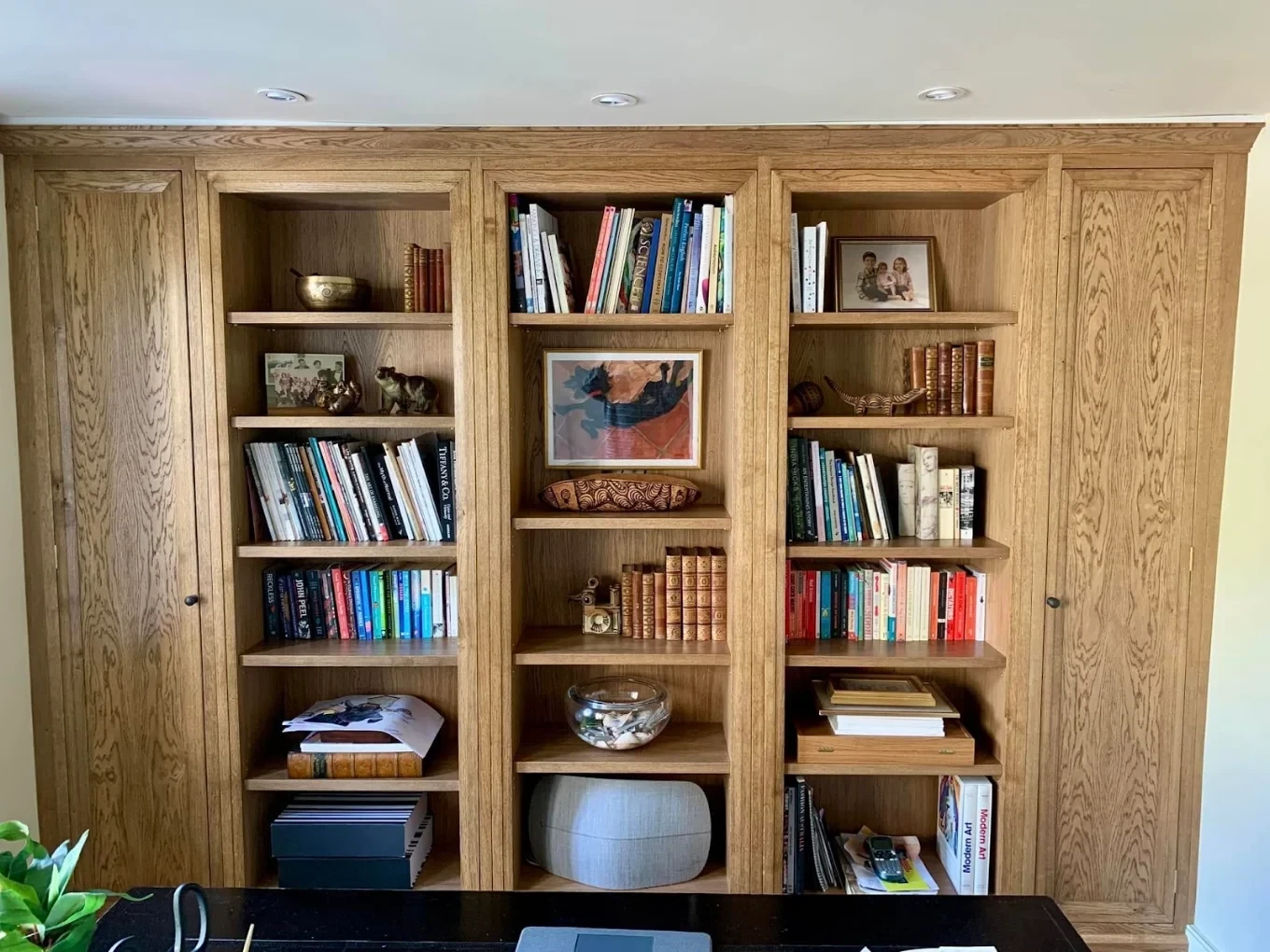
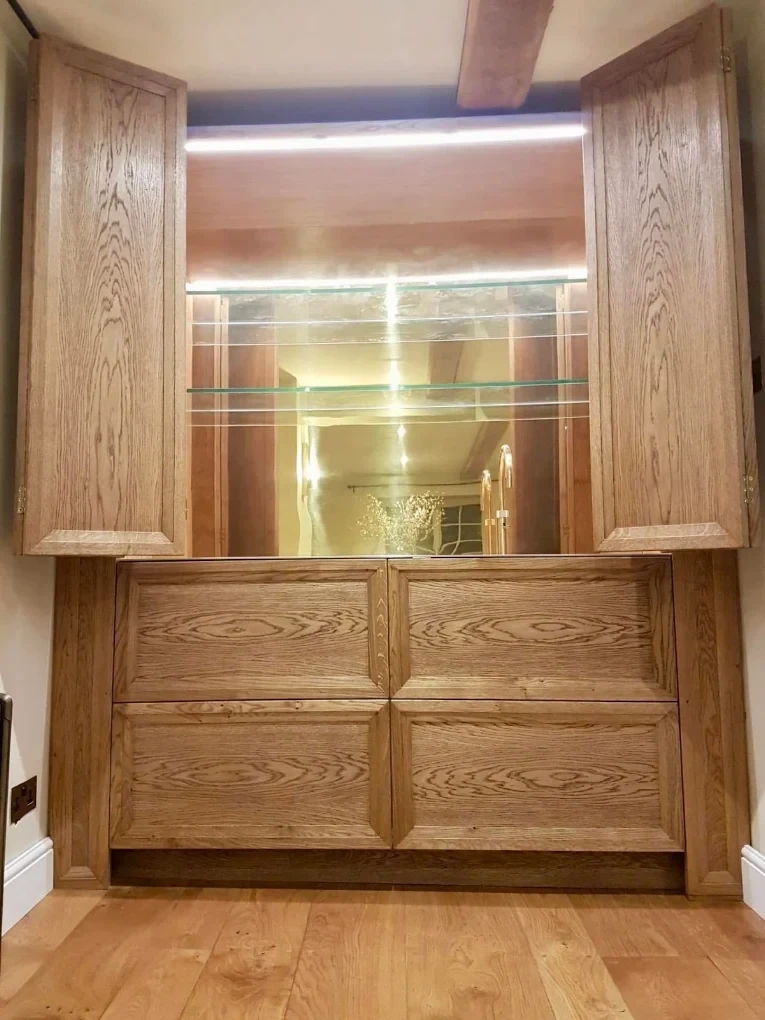
Where the grain is part of the appeal, a suitable stain, varnish or other compatible decorative treatment may be worth considering instead of opaque paint. The existing finish and timber condition limit what is achievable. Old paint, dark staining and mixed repairs can make a clear or translucent result impractical without more extensive work, which should be assessed rather than assumed.
Test areas can help establish the likely appearance where a treatment changes colour or highlights grain. Timber is naturally variable, so identical application does not guarantee identical colour across every component. Discuss the look you want and whether existing marks should remain visible. The agreed scope should distinguish cosmetic finishing from timber replacement or specialist conservation work that may need separate assessment.
Edges, joints and preparation
Preparation is often most visible at the small details: mitred skirting joints, moulded profiles and the edges of a door panel. Appropriate filling and sanding can improve local defects without burying the shape under excessive paint. Existing movement matters too, because a joint that continues to move may show again even after careful decorative preparation and a fresh finish.
Older coatings should be approached with care, especially where their composition is uncertain. The method of preparation needs to account for the age and condition of the material rather than defaulting to aggressive sanding. If there is a reason to suspect a hazardous coating, discuss assessment and suitable precautions before disturbance. That consideration is particularly important in an occupied family home.
Coordinating work around your household
Doors and stairs can be difficult to take out of use, so agree the sequence before preparation begins. Discuss which entrances need to remain available, where pets will be kept and whether rooms can be isolated during work. Hardware, flooring and nearby furnishings also influence protection requirements. Clear access makes careful work easier without assuming your home will be empty.
Fresh paint needs protection from knocks and friction while it cures. Door edges and frequently handled areas are particularly vulnerable if used too forcefully too soon. Ask for guidance based on the selected coating, including cleaning and normal use. If a door already rubs against its frame, raise that at the survey rather than expecting paint alone to correct the underlying fit.
FAQ
Woodwork Painting & Treatments questions, answered.
How much does woodwork painting & treatments cost?
+
Request a free quote for the proposed work. The cost depends on the number and detail of components, existing coatings, repairs, access and the selected finish. A description or photograph can start the discussion, but the condition of the surfaces may need closer assessment. Ask Liam for a free no-obligation quote with clear inclusions so you know what preparation and finishing work you are comparing.
How long will the work take?
+
The programme depends on preparation, the number of doors or trim sections, drying requirements and household access needs. Liam can discuss an appropriate sequence once the scope is understood. Preparation and drying cannot sensibly be reduced to a guaranteed duration before assessment. Mention any important household dates early, and confirm what areas will be usable during the proposed work rather than assuming the whole home will be unaffected.
What happens before the finish is applied?
+
The starting point is checking timber condition, existing coatings, moving parts, fittings and the desired painted or visible-grain finish. Liam can then explain the preparation and suitable materials, including any areas needing further investigation or separate repair. Agree those stages in the quote. New finishes rely on the underlying surface, so it is important not to treat decoration as a way to conceal an unresolved problem.
Is there a workmanship guarantee?
+
Coopers Interiors provides a written workmanship guarantee; ask Liam for the terms. No duration is stated here because the applicable wording should be confirmed directly before you book. Ask what is covered, what exclusions apply and how a concern should be reported. Keep that information with your quotation rather than relying on assumptions about coverage.
How long should the finish last?
+
There is no single lifespan that can be promised for every home. Performance depends on handling, knocks, moisture, coating compatibility and the condition of the underlying timber. Follow the care guidance for the materials used and address underlying defects if they develop. Ask Liam about maintenance for your particular surfaces rather than treating a general estimate as a guarantee of service life.
Can I enquire outside normal hours or about urgent work?
+
Coopers Interiors is available 24 hours for enquiries, so you can get in touch at any time. That does not mean an immediate visit or emergency attendance is guaranteed. Explain any urgent concern and ask Liam about availability. The practical start arrangement will depend on the work, its condition and the preparation or access it requires.
Do you provide woodwork painting in Teddington, Richmond or Kingston upon Thames?
+
Yes. Based in Teddington TW11, Coopers Interiors covers Teddington, Richmond, Twickenham, Kingston upon Thames, Ealing, Chiswick, Central West London, Sunbury-on-Thames, Hampton, Hampton Wick, Surbiton and Kew. The service is for residential properties only. Include your location and the type of home when enquiring so Liam can discuss the project and any practical access requirements.
Who runs the job, and how can I pay?
+
Liam Cooper runs every job and brings in extra tradesmen on bigger jobs. You can discuss the scope and practical arrangements directly with him before proceeding. Payment is accepted by bank transfer, card or cash. Ask about payment arrangements when agreeing your free no-obligation quote, and confirm any changes to the work before they are carried out.
Related services
Woodwork Painting & Treatments across West London
Discuss Your HomeGet A Free Quote
Tell Liam about your woodwork painting & treatments project, your location and the surfaces you want to change. Coopers Interiors offers free no-obligation quotes for residential work, with enquiries welcome any time. Start with the condition of your home and the result you want; the specification and practical arrangements can then be discussed properly.
£1m public liability insured · Written workmanship guarantee · Pay by transfer, card or cash