
Interior Paintingin Teddington
Refresh the rooms you live in with carefully prepared walls, considered finishes and a clear plan for working around your home.
Almost 10 years
In the trade
£1m Insured
Public liability cover
Written Guarantee
Ask Liam for the terms
Owner-Led
Managed by Liam
Free Quotes
No obligation
The service
A practical approach to interior painting
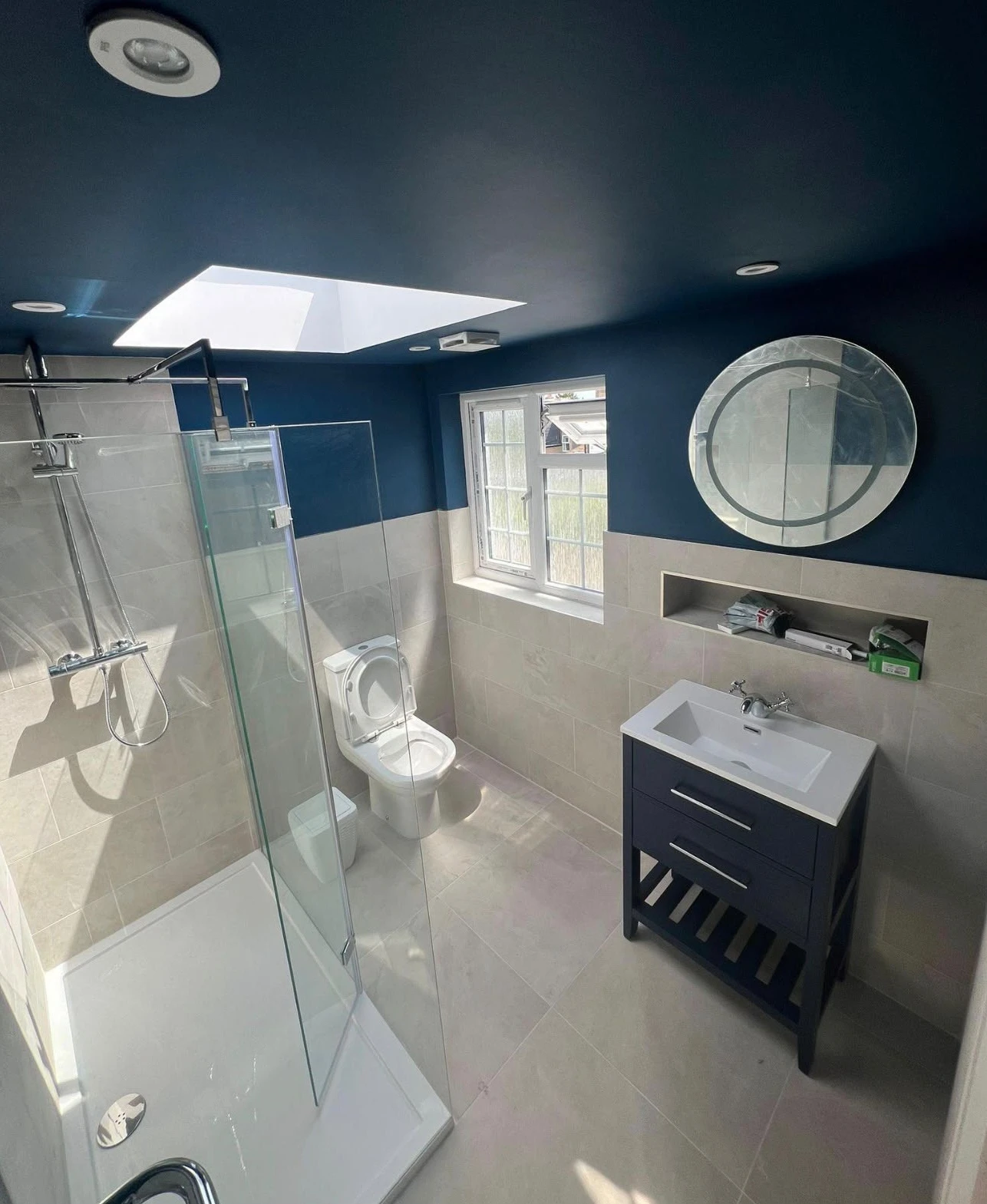
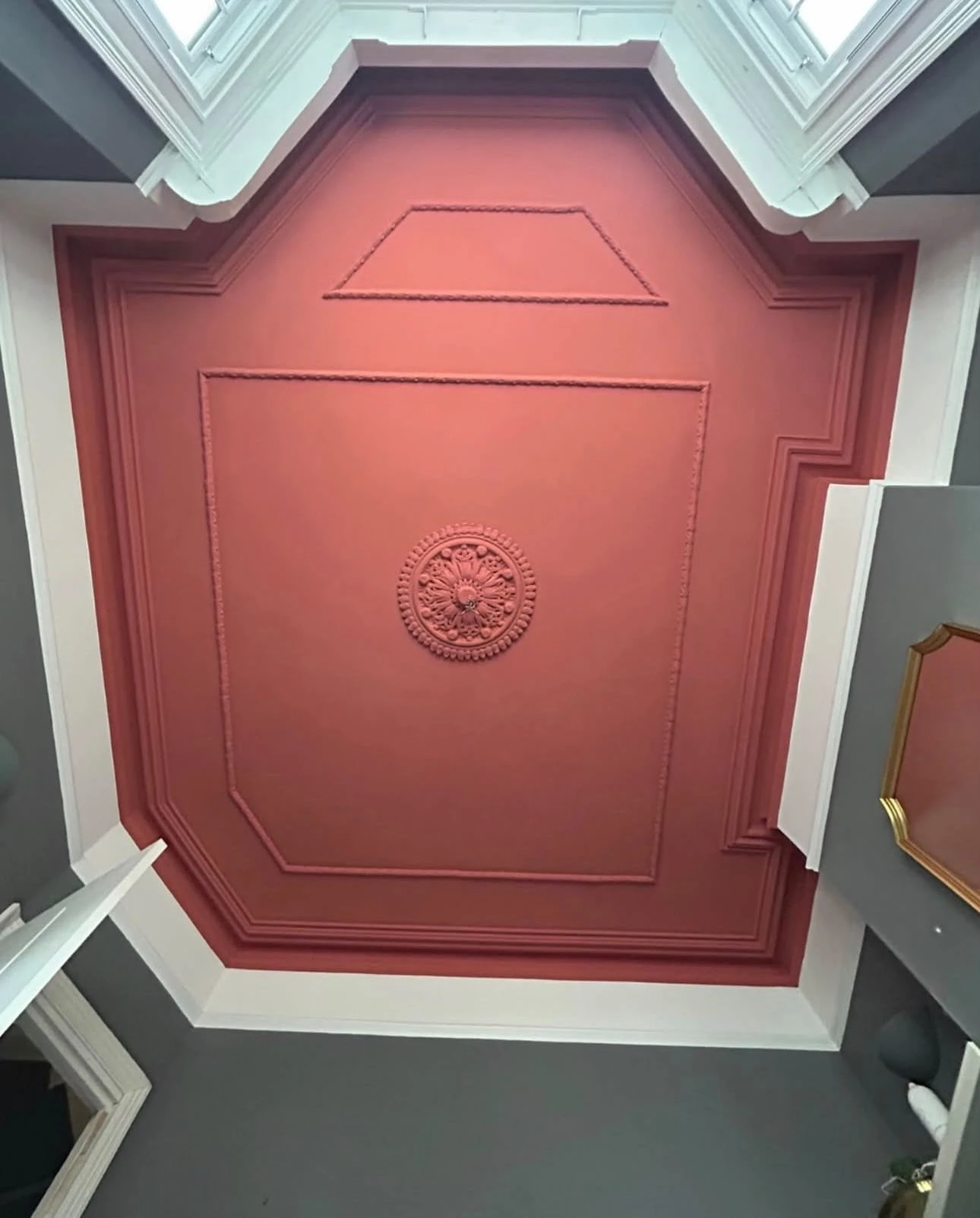
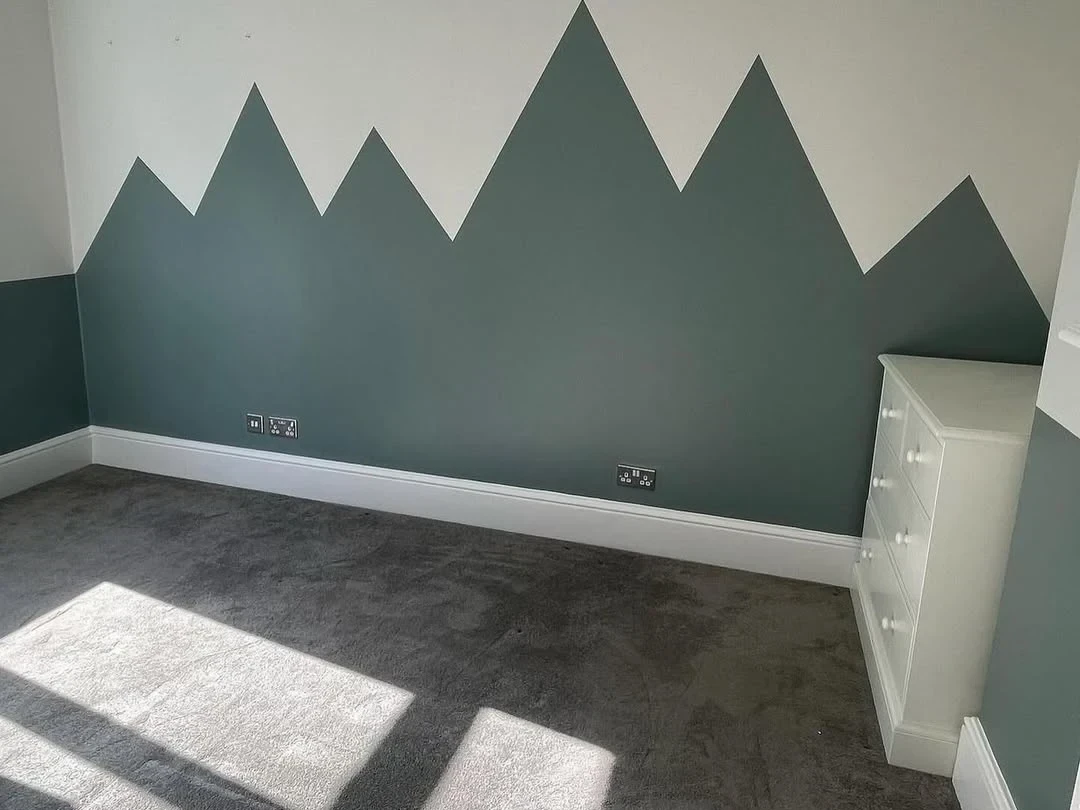
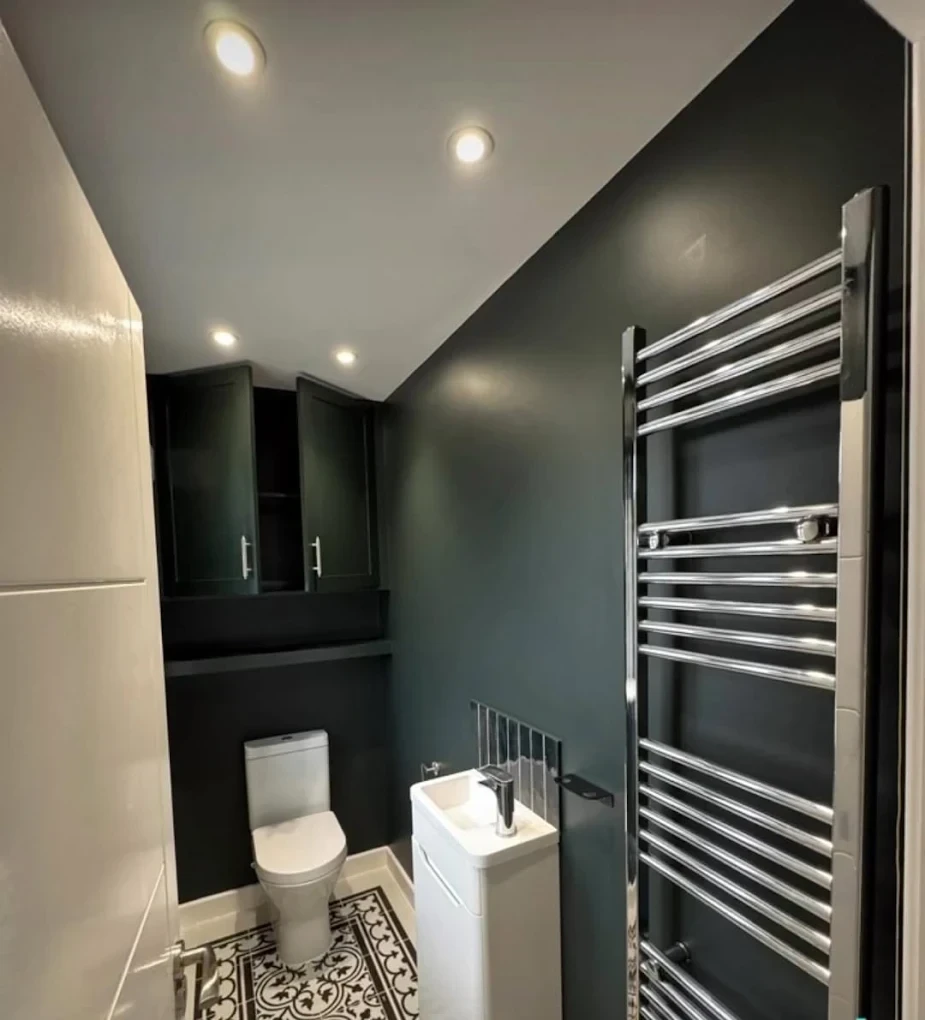
Interior painting should make a room feel settled, not simply newly coloured. Coopers Interiors paints residential interiors in Teddington and the surrounding areas, with Liam Cooper running every job. Whether you want a quieter bedroom, a brighter hallway or a consistent finish through adjoining rooms, the starting point is the condition of the surfaces and the way you use each space.
Walls and ceilings can look straightforward until daylight catches old roller marks, filled picture holes or uneven repairs. A useful quotation separates decoration from preparation, so you understand what needs cleaning, filling, sanding or further assessment before the finish coats begin. Painting can improve the appearance of sound surfaces, but it cannot straighten a wall or solve active damp.
Finish selection matters as much as colour. A low-sheen wall finish may soften reflected light, while a more washable coating can suit areas touched regularly by hands, bags or chairs. Kitchens and bathrooms need particular attention to ventilation, condensation and existing coatings. Liam can discuss those practical differences without assuming every room needs the same product or the same preparation.
You deal with Coopers Interiors, based in Teddington TW11, with Liam Cooper overseeing the work rather than passing the job to an unnamed project lead. As of October 2026, Liam had almost 10 years in the trade and Coopers Interiors had been established for nearly 3 years. The business has a Verified Checkatrade profile and £1m public liability insurance. Work is residential only, and bigger jobs may involve extra tradesmen brought in by Liam.
Why it matters
What needs attention before work begins
A useful result starts with identifying the cause of visible defects, setting realistic expectations and agreeing the preparation. These are the issues worth discussing before a colour or finish becomes the only focus.
Patches that keep showing
Painting straight over repairs can leave different absorption rates across the wall. A filled area may flash through as a dull or shiny patch, especially in side light. Assessing the filler, sanding it level and priming where appropriate helps create a more consistent base before the main coats go on.
Colour chosen in isolation
A colour seen on a small card can behave differently beside flooring, curtains and a large window. Consider samples in the actual room and look at them under daylight and evening lighting. A whole-room decision is easier when you also account for ceiling colour and the finish on adjoining woodwork.
Loose paint beneath new paint
A fresh coating depends on what sits underneath it. Flaking edges, powdery surfaces or poorly bonded previous paint need investigation rather than concealment. Leaving unstable material in place risks lifting and an uneven result, even when the visible topcoat initially looks smooth and the new colour covers well.
Marks in busy rooms
Hallways, stairs and family living spaces take different wear from a spare bedroom. Choosing solely by sheen or colour can mean an attractive finish is difficult to clean. Discuss likely contact, cleaning habits and the condition of the wall so that the coating is appropriate for everyday residential use.
Disruption without a room plan
Starting several rooms at once can make an occupied home difficult to use. Furniture access, protected routes, drying surfaces and the order of work all need agreement. A practical room-by-room sequence helps you know where belongings should go and which areas need to stay clear while decoration is underway.
Our process
How Liam runs your job.
- 01
1. Explain the project
Tell Liam what you want to change, which parts of your home are involved and whether the property will be occupied during the work. Photographs can help start the conversation, but they do not replace assessment where condition or access is uncertain. Mention any previous failures, leaks or repairs so the discussion covers the cause as well as the appearance.
- 02
2. Assess surfaces and access
The assessment considers wall condition, previous coatings, room use and the boundaries between walls, ceilings and trim. This is the point to identify unsuitable surfaces, practical constraints and anything that needs separate investigation. Agree what is included, what is excluded and how additional issues would be handled if preparation reveals more damage than was visible initially. Decisions about access and protection should reflect how your household actually uses the space.
- 03
3. Agree the quote and specification
Receive a free no-obligation quote based on the agreed work rather than a generic fixed price. Discuss preparation, materials, finish choices and any relevant repair allowances before committing. Confirm the proposed sequence and ask about the written workmanship guarantee; ask Liam for the terms. Clear inclusions make it easier to compare like-for-like proposals and avoid relying on assumptions about what decoration includes.
- 04
4. Prepare and complete the work
Liam runs the job and brings in extra tradesmen on bigger projects. Preparation and application follow the agreed scope, with the method suited to the surfaces and chosen materials. Keep the agreed work areas accessible and raise any change you want before it is carried out. If unexpected conditions emerge, discuss their implications rather than assuming additional work is automatically included.
- 05
5. Review and discuss aftercare
Review the completed work with Liam and ask about caring for the particular finishes used. Drying, curing and cleaning guidance should be based on the product, not a blanket promise that every surface is immediately ready for normal wear. Raise any queries directly and keep the quote and guarantee information. Payment can be made by bank transfer, card or cash.
What you get
The result, in plain terms.
Speed through a clear sequence
Agreeing the scope and order of work reduces avoidable interruptions, such as choosing materials late or discovering that access is blocked. It is a practical route to smoother progress, not a promise to rush preparation or finish by a date regardless of conditions.
Safety considered from the start
Access, occupied rooms and the condition of old surfaces all influence how work should be approached. Discussing them before work begins supports sensible planning for your household. Coopers Interiors carries £1m public liability insurance, while the actual precautions need to suit the individual job.
Longevity built on preparation
A suitable finish depends on sound material underneath and compatible preparation. For this work, long-term performance is influenced by everyday contact, ventilation, cleaning methods and the stability of the underlying plaster. Addressing those factors is more useful than adding another coat over a defect and expecting the result to last indefinitely.
Cost savings through informed choices
Keeping suitable existing surfaces and tackling the right preparation can avoid unnecessary replacement or repeated cosmetic repairs. Savings are not guaranteed, and the cheapest initial option may not address the underlying issue. A clear quote lets you decide where the work offers useful value for your home.
Reliability through direct oversight
Liam runs every job, giving you a named person to discuss scope, access and questions about the work. Extra tradesmen may be brought in for bigger projects. Agreeing decisions with the person overseeing the job helps keep practical expectations clear as the project progresses.
Peace of mind before committing
You can request a free no-obligation quote, check the Verified Checkatrade profile and ask about the written workmanship guarantee before making a decision. Ask Liam for the terms rather than assuming a particular guarantee period or that every type of damage would be covered.
In detail
Materials, methods and decisions that matter
The right specification depends on your home and the surfaces already in place. These details explain why assessment and preparation are part of the work, rather than optional extras to be skipped once a colour is chosen.
Matching coatings to rooms
Water-based emulsions cover a broad range of uses rather than one interchangeable specification. Matt finishes can reduce the prominence of minor visual irregularities, while more durable washable finishes may be useful where cleaning is frequent. The choice should consider the existing coating, expected wear and the manufacturer’s guidance, rather than treating the highest sheen as automatically the strongest answer.
For a kitchen or bathroom, the first question is whether moisture is being managed properly. A suitable decorative coating is not a substitute for ventilation or a repair to a leak. If staining is present, its cause needs assessment before a compatible isolating primer is considered. Covering a stain without understanding it can leave the same problem visible again.
Preparation before colour
Preparation may involve washing away surface contamination, removing loose material, filling small defects and carefully sanding repairs. Each operation serves a different purpose: cleaning aids adhesion, filling improves local shape, and sanding removes edges that would otherwise catch the light. Liam can explain which of these steps are included so the scope is clear before furniture is moved.
Where walls have widespread unevenness, decoration alone may not deliver the finish you expect. Local repairs and full skimming are different options, with different implications for access and drying. Newly plastered areas also need an appropriate coating approach once ready. Any underlying plaster work should be discussed separately rather than assumed to be included in a painting quotation.
Light, colour and adjoining surfaces
Large windows, wall lights and long sightlines can make small variations more apparent. Assessing the room from normal viewing positions helps establish realistic expectations, particularly with older walls. Strong colours and major colour changes can also alter the coating specification, so the quote should be based on the intended finish rather than a vague instruction to freshen up.
Ceilings, walls and woodwork work together visually, even when only one surface is being repainted. Decide where colours stop, how feature walls meet corners and whether existing trim will remain untouched. If woodwork painting is also wanted, agreeing it at the survey makes it easier to coordinate preparation and avoid treating each surface as an unrelated job.
Working in an occupied home
An occupied bedroom needs a different working arrangement from an empty reception room. Discuss large furniture, wardrobe access, pets and the route used to carry materials before work starts. Protection should be planned around the room rather than assumed to cover every belonging automatically. Smaller personal items are generally easier for the household to remove and store beforehand.
Freshly painted surfaces need sensible handling after the room becomes usable again. Dryness to the touch and full curing are not the same thing, so avoid aggressive cleaning or pressing furniture against the finish too soon. Ask for product-specific care guidance and raise any concerns with Liam before attempting a repair or applying household cleaning products to a new coating.
FAQ
Interior Painting questions, answered.
How much does interior painting cost?
+
Request a free quote for the proposed work. The cost depends on room dimensions, ceiling height, wall condition, the extent of filling, access around furniture and the selected coatings. A description or photograph can start the discussion, but the condition of the surfaces may need closer assessment. Ask Liam for a free no-obligation quote with clear inclusions so you know what preparation and finishing work you are comparing.
How long will the work take?
+
The programme depends on the number of rooms, repairs, drying conditions and whether the home needs to remain in daily use. Liam can discuss an appropriate sequence once the scope is understood. Preparation and drying cannot sensibly be reduced to a guaranteed duration before assessment. Mention any important household dates early, and confirm what areas will be usable during the proposed work rather than assuming the whole home will be unaffected.
What happens before the finish is applied?
+
The starting point is checking wall condition, previous coatings, room use and the boundaries between walls, ceilings and trim. Liam can then explain the preparation and suitable materials, including any areas needing further investigation or separate repair. Agree those stages in the quote. New finishes rely on the underlying surface, so it is important not to treat decoration as a way to conceal an unresolved problem.
Is there a workmanship guarantee?
+
Coopers Interiors provides a written workmanship guarantee; ask Liam for the terms. No duration is stated here because the applicable wording should be confirmed directly before you book. Ask what is covered, what exclusions apply and how a concern should be reported. Keep that information with your quotation rather than relying on assumptions about coverage.
How long should the finish last?
+
There is no single lifespan that can be promised for every home. Performance depends on everyday contact, ventilation, cleaning methods and the stability of the underlying plaster. Follow the care guidance for the materials used and address underlying defects if they develop. Ask Liam about maintenance for your particular surfaces rather than treating a general estimate as a guarantee of service life.
Can I enquire outside normal hours or about urgent work?
+
Coopers Interiors is available 24 hours for enquiries, so you can get in touch at any time. That does not mean an immediate visit or emergency attendance is guaranteed. Explain any urgent concern and ask Liam about availability. The practical start arrangement will depend on the work, its condition and the preparation or access it requires.
Do you provide interior painting in Teddington, Richmond or Kingston upon Thames?
+
Yes. Based in Teddington TW11, Coopers Interiors covers Teddington, Richmond, Twickenham, Kingston upon Thames, Ealing, Chiswick, Central West London, Sunbury-on-Thames, Hampton, Hampton Wick, Surbiton and Kew. The service is for residential properties only. Include your location and the type of home when enquiring so Liam can discuss the project and any practical access requirements.
Who runs the job, and how can I pay?
+
Liam Cooper runs every job and brings in extra tradesmen on bigger jobs. You can discuss the scope and practical arrangements directly with him before proceeding. Payment is accepted by bank transfer, card or cash. Ask about payment arrangements when agreeing your free no-obligation quote, and confirm any changes to the work before they are carried out.
Related services
Interior Painting across West London
Discuss Your HomeGet A Free Quote
Tell Liam about your interior painting project, your location and the surfaces you want to change. Coopers Interiors offers free no-obligation quotes for residential work, with enquiries welcome any time. Start with the condition of your home and the result you want; the specification and practical arrangements can then be discussed properly.
£1m public liability insured · Written workmanship guarantee · Pay by transfer, card or cash